
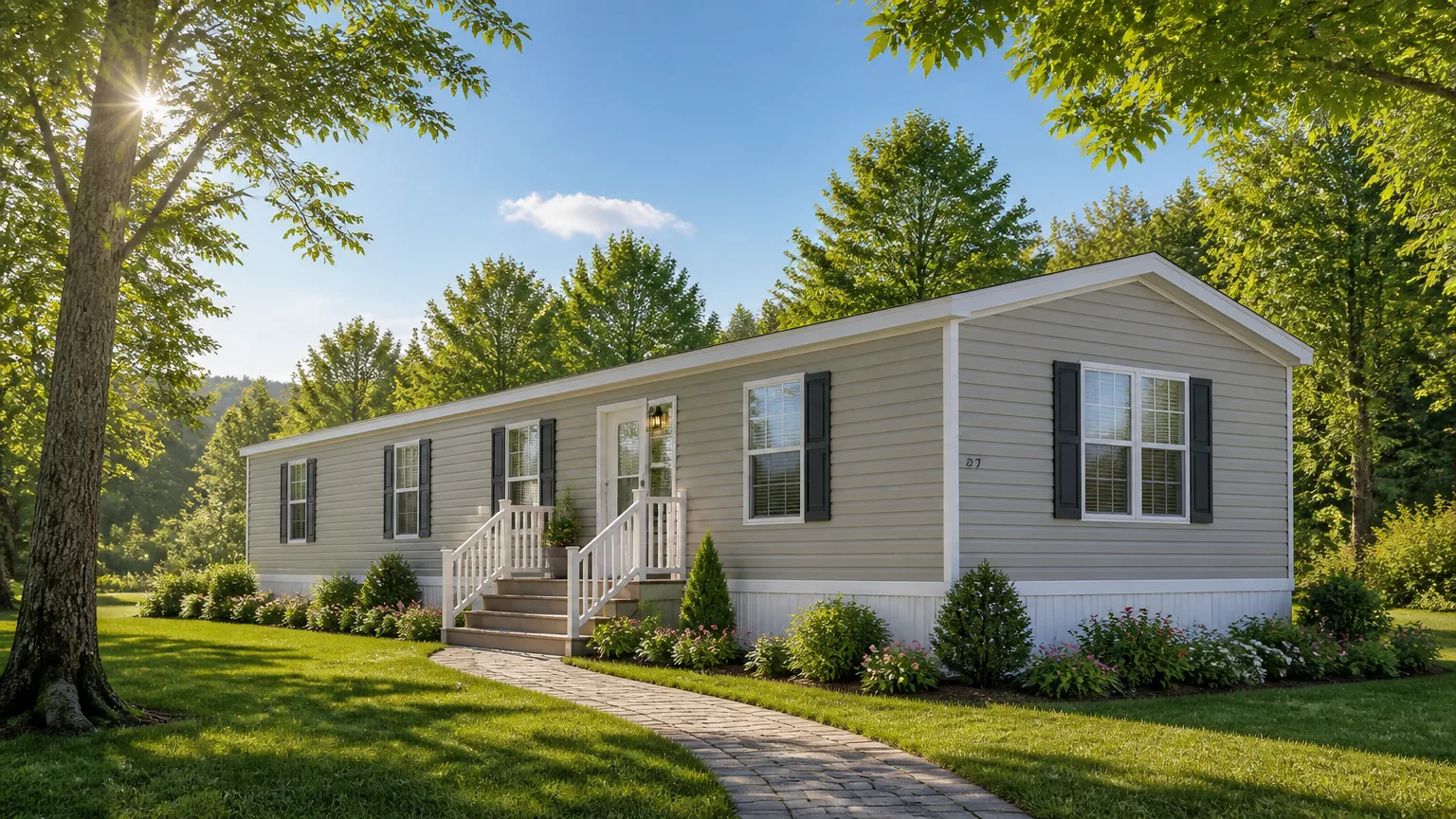
Mobile homes, often referred to as manufactured homes, have gained significant popularity as an affordable housing option. They offer flexibility and a lower entry point for first-time homebuyers or those seeking to downsize. However, understanding mobile home mortgage rates is crucial for anyone considering this type of investment.
In today’s fluctuating economic landscape, mortgage rates are influenced by various factors, including inflation, interest rates set by the Federal Reserve, and housing market trends. As these elements evolve, potential buyers must navigate the complexities of mobile home financing.
For instance, a rise in interest rates can significantly impact monthly payments, making it essential to stay informed about current mobile home mortgage rates. By understanding these rates, buyers can make informed decisions that align with their financial goals.
This article aims to equip you with the necessary knowledge about mobile home mortgage rates, helping you to confidently assess your options in today’s market. Whether you are a first-time buyer or an experienced homeowner, grasping the intricacies of mortgage rates is vital to securing the best financing for your mobile home.
Current Trends in Mobile Home Mortgage Rates
The landscape of mobile home mortgage rates has experienced notable fluctuations recently. As of now, the average rate for mobile home loans hovers around 6.5%, marking a slight increase from earlier this year, when rates dipped to 5.9%. This upward trend mirrors broader movements in the housing market and reflects the influence of economic indicators such as inflation and Federal Reserve policies.
When comparing mobile home mortgage rates to traditional home mortgage rates, the differences are striking. Traditional mortgage rates currently average approximately 7.1%. This disparity highlights the unique challenges faced by mobile home buyers, who often encounter higher rates due to perceived risks associated with mobile homes as collateral. Furthermore, lenders typically require larger down payments for mobile homes, which can further complicate financing options.
Looking ahead, experts predict that mobile home mortgage rates may stabilize or even decrease slightly in the coming months. Factors such as a potential easing of inflation and shifts in Federal Reserve interest rate policies could contribute to this trend. However, the market remains sensitive to fluctuations in economic conditions, making it essential for buyers to stay informed.
Additionally, as reflected in recent mortgage rate trends, many buyers may find it advantageous to explore alternative financing options. For instance, some credit unions and community banks offer competitive rates tailored for mobile home purchases, often with more flexible terms than traditional lenders. This could provide a viable pathway for those seeking affordability in their financing.
As you navigate the current market, understanding these trends will empower you to make informed decisions. Keep abreast of rate changes and seek diverse financing avenues to secure the best possible deal on your mobile home mortgage.
Factors Affecting Mobile Home Mortgage Rates
Understanding the factors that influence mobile home mortgage rates is crucial for prospective buyers. One of the primary determinants is the borrower’s credit score. Lenders typically view higher credit scores as indicative of lower risk, resulting in more favorable interest rates. For instance, a borrower with a credit score above 740 may qualify for rates significantly lower than those offered to someone with a score below 620. Simply put, maintaining a healthy credit profile can lead to substantial savings over the life of the loan.
Economic indicators also play a pivotal role in shaping mobile home mortgage rates. Factors such as inflation, unemployment rates, and the overall state of the economy can influence lenders’ decisions. For example, during periods of economic growth, lenders may raise rates in anticipation of higher demand for loans. Conversely, in a recession, they might lower rates to encourage borrowing. Keeping an eye on these indicators can help buyers time their mortgage applications more effectively.
Moreover, the type of loan chosen can significantly affect the mobile home mortgage rates offered. Traditional chattel loans, which are secured by the mobile home itself rather than the land, often come with higher interest rates compared to conventional mortgages. FHA loans, designed for lower-income borrowers, may also offer competitive rates but come with specific eligibility requirements. Understanding these differences allows buyers to select the loan type that best aligns with their financial situation and long-term goals.
In summary, a combination of credit scores, economic conditions, and loan types collectively influences mobile home mortgage rates. By grasping these dynamics, homebuyers can navigate the financing landscape with greater confidence and make decisions that align with their financial objectives.
Types of Mobile Home Mortgages Available
Understanding the types of mobile home mortgages is crucial for buyers aiming to secure favorable mobile home mortgage rates. Two primary categories exist: chattel loans and real estate loans.
Chattel loans are typically used for homes that are not permanently affixed to land. These loans treat the mobile home as personal property, similar to a vehicle. As a result, the rates can be higher due to increased risk for lenders. For example, if a buyer opts for a chattel loan to finance a mobile home in a park, they might face interest rates ranging from 7% to 10%.
In contrast, real estate loans apply to mobile homes that are permanently affixed to a foundation and classified as real property. These loans often come with lower interest rates, similar to traditional home mortgages. Buyers can expect rates between 3% and 6%, depending on market conditions and their creditworthiness.
Additionally, mobile home buyers can choose between government-backed loans and conventional options. Government-backed loans, such as those offered by the Federal Housing Administration (FHA), provide more flexible qualification criteria and lower down payment requirements. For example, FHA loans may allow down payments as low as 3.5%, making them an attractive option for first-time buyers.
Conversely, conventional loans may offer competitive rates but often require higher credit scores and down payments. These loans may also come with stricter terms, limiting their accessibility for some buyers.
Each mortgage type presents distinct pros and cons. While chattel loans may facilitate quick financing, they often carry higher rates and shorter loan terms. Real estate loans, though potentially more challenging to obtain, offer long-term stability with lower monthly payments. By understanding these options, homebuyers can make informed decisions aligned with their financial goals.
How to Choose the Best Mortgage Rate for Your Needs
Selecting the ideal mortgage rate for a mobile home requires careful evaluation and strategic decision-making. To begin, comparison shopping is essential. Potential buyers should explore multiple lenders and loan options to identify the most competitive rates. Online comparison tools can facilitate this process, allowing you to view various offers side-by-side. For instance, if one lender offers a rate of 5.5% while another provides 4.9%, the latter could save you significantly over the life of the loan.
Understanding fees and closing costs is another critical consideration. Mortgage rates often come with associated fees that can impact the overall cost of borrowing. These may include origination fees, appraisal fees, and closing costs, which can add thousands to your total expenses. For example, if a lender offers a lower rate but high closing costs, it may not be the most cost-effective option in the long run. Homebuyers should request a Loan Estimate from each lender to clearly see all associated costs.
Additionally, enlisting the services of a mortgage broker can be advantageous. Brokers have access to a wide range of lenders and can negotiate on your behalf to secure competitive rates. They can also provide valuable insights into the nuances of mobile home financing, helping you navigate the complexities of different loan types. For example, a broker might suggest a special program designed for mobile homes that you may not be aware of.
By evaluating these factors—comparing rates, understanding fees, and utilizing a mortgage broker—you will be well-equipped to select a mortgage rate that aligns with your financial goals. For further insights on making informed decisions about mortgages, consider exploring strategies for choosing rates here.
Common Mistakes to Avoid When Financing a Mobile Home
Securing financing for a mobile home can present unique challenges. Homebuyers must be vigilant to avoid common pitfalls that can lead to unfavorable terms or financial strain.
One prevalent mistake is overlooking the total cost of ownership. While the initial purchase price may seem attractive, buyers often fail to consider ongoing expenses such as property taxes, insurance, and maintenance costs. For instance, a lower mortgage rate might not compensate for higher insurance premiums associated with mobile homes. Understanding the full financial commitment is essential to avoid surprises down the line.
Another key misstep is ignoring the pre-approval process. Many buyers rush into financing, thinking they can secure a loan quickly. However, obtaining pre-approval is crucial as it provides insight into how much you can afford and strengthens your negotiating position with sellers. Without this step, buyers may find themselves unprepared when it comes time to make an offer.
Additionally, failing to read the terms and conditions thoroughly can lead to significant issues. Many financing options for mobile homes come with specific stipulations that may not be immediately apparent. For instance, some loans may have prepayment penalties or adjustable interest rates that could increase over time. Scrutinizing these details can help buyers avoid agreements that do not align with their long-term financial goals.
By remaining aware of these common mistakes, homebuyers can navigate the complexities of securing mobile home mortgage rates more effectively. Taking the time to assess all costs, pursue pre-approval, and examine loan terms ensures a more informed and confident financing experience. For further insights on getting the best rate possible, consider exploring strategies in this article.
Making Informed Decisions in Mobile Home Financing
In conclusion, understanding mobile home mortgage rates and financing options is crucial for prospective buyers. By familiarizing yourself with the various factors that influence these rates—such as credit scores, loan types, and current economic conditions—you position yourself to make informed decisions.
Preparation and knowledge are essential in the home buying process. This means researching your options, comparing lenders, and understanding the nuances of different loan products. For example, while quick financing may seem appealing, it often comes with higher rates.
Lastly, do not hesitate to seek professional advice when needed. Engaging with a financial advisor or mortgage specialist can provide tailored guidance that aligns with your financial goals. This proactive approach will ultimately enhance your confidence and success in navigating the mobile home mortgage landscape.
Leave a Reply