
Summarized here:
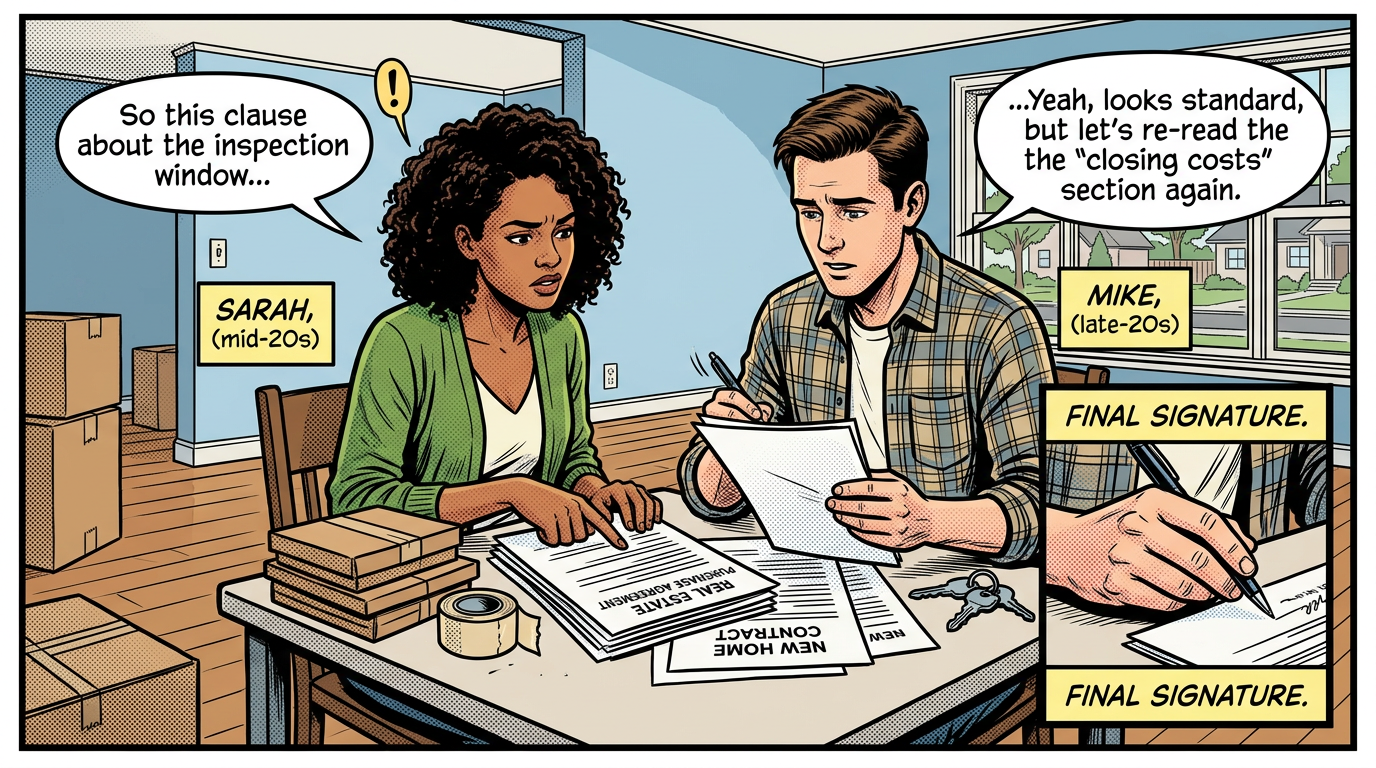
- Closing costs, which typically range from 2 percent to 5 percent of the purchase price, often surprise homebuyers who focus primarily on the down payment.
- Seller concessions serve as a mechanism to help buyers manage these additional cash requirements, potentially preventing a transaction from failing due to a lack of liquid funds.
- To secure a seller concession, a buyer must include the request in their initial offer; once a contract is signed, the seller is no longer obligated to provide them, and the buyer loses their leverage.
- According to Redfin data, seller concessions were utilized in approximately 44 percent of U.S. home sales in early 2025, indicating that nearly one in two sellers was contributing toward buyer costs.
- A seller concession is defined as a credit provided by the seller toward a buyer’s allowable closing costs, prepaid expenses, discount points, or other approved financing costs.
- The National Association of Realtors notes that these concessions can be negotiated as either a fixed dollar amount or a percentage of the purchase price.
- Seller concessions allow the buyer to bring less cash to the closing table while enabling the seller to keep the contract price intact, which avoids the negative market signaling associated with a price reduction.
- Concessions can cover recurring costs (such as property taxes, mortgage interest, and homeowners insurance) and non-recurring costs (such as lender fees, appraisal charges, title insurance, and notary fees).
- Under Fannie Mae’s Interested Party Contribution rules, both recurring and non-recurring costs count toward the same single limit.
- If a seller agrees to a credit that exceeds the buyer’s actual closing costs, the buyer cannot receive the difference as cash, as this would be considered a fraud risk by lenders; the excess amount is simply forfeited.
- To avoid losing excess credit, buyers are advised to work with their agent and lender to either lower the purchase price by the excess amount or use the funds to buy down the interest rate.
- The viability of requesting concessions depends heavily on market conditions; in buyer’s markets, where inventory is high, concessions are common and expected, whereas in seller’s markets, such requests may cause an offer to be rejected in favor of “clean” offers.
- Data from the first quarter of 2025 shows that 44.4 percent of U.S. home sales included concessions, with significantly higher rates in specific cities like Seattle (71.3 percent), Portland (63.9 percent), and Denver (59.2 percent).
Leave a Reply