
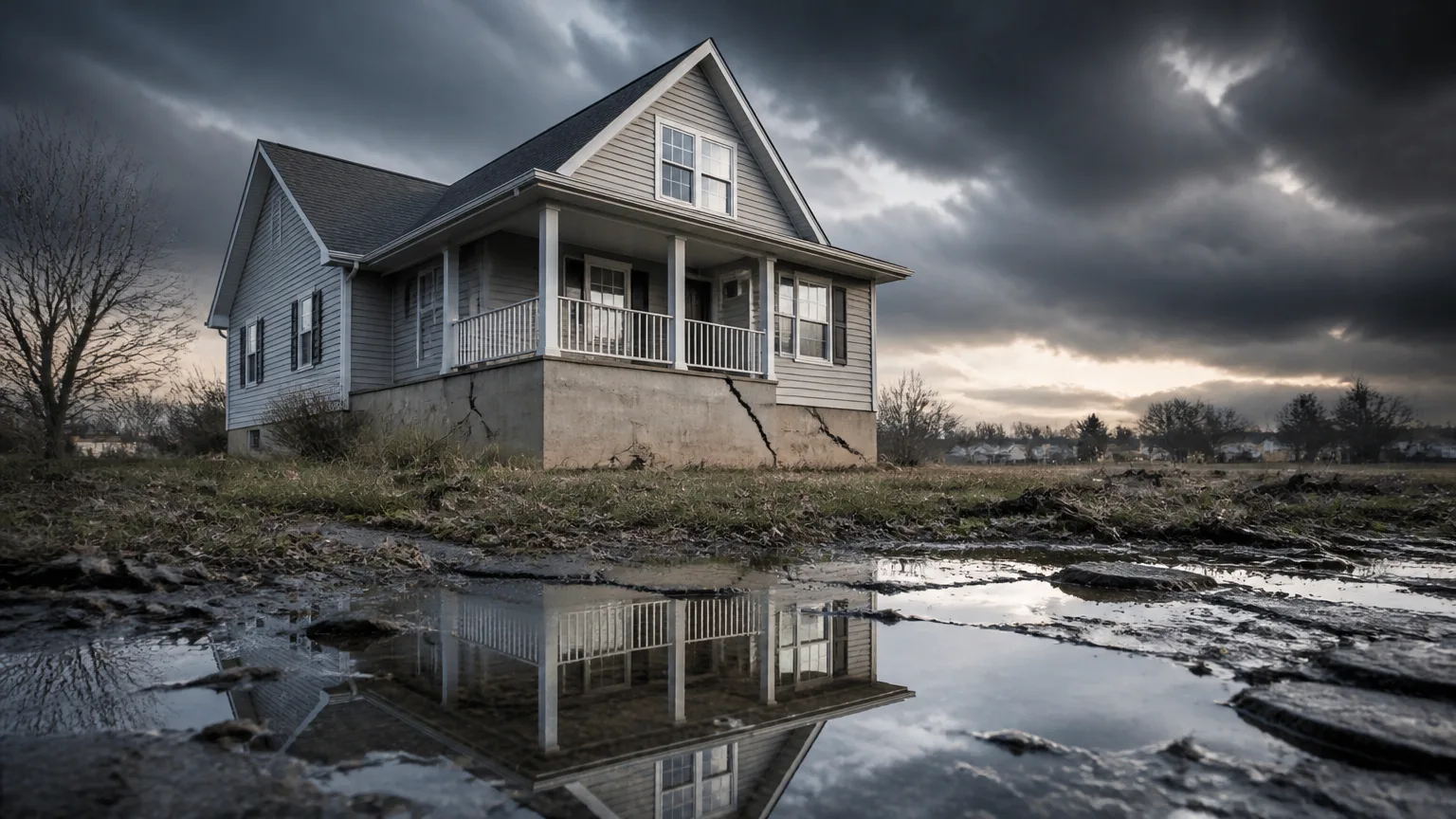
To understand what caused the housing crisis in 2008, look beyond a single event. The crisis built over several years as risky lending and rapidly rising home prices made the market increasingly fragile. For a plain-language overview of what a housing bubble is and how it affects the market, it helps to distinguish the bubble from the broader financial crisis that followed its collapse.
By 2007–2008, falling home values exposed weaknesses in mortgage lending and financial-market practices. This article traces how those forces interacted, turning a housing downturn into a wider economic shock—and highlights warning signs that emerged along the way.
Easy Credit and Risky Mortgages Expanded the Buyer Pool
Low borrowing costs and looser lending standards helped more people qualify for mortgages during the housing boom. Subprime loans served borrowers with weaker credit histories, while adjustable-rate mortgages often began with lower payments that later reset higher. Some lenders also offered low- or no-documentation loans, relying on limited evidence of a borrower’s income or assets.
These products were not inherently risky for every borrower. But some applicants were approved based on introductory payments, without enough consideration of whether they could afford the higher payments ahead. When rates reset or incomes fell, those borrowers faced greater pressure, especially as home values began to decline.
The crisis was not simply caused by buyers putting less than 20% down. As the truth about down payments makes clear, smaller down payments can be workable. Underwriting quality and loan structure mattered: weak repayment checks and payment shocks left more households vulnerable, helping explain what caused the housing crisis in 2008.
The Housing Boom Became a Bubble
Easy credit and rising demand helped home prices climb through the early 2000s. Many buyers and investors began treating homes as assets that would keep appreciating, creating more competition for properties and reinforcing price growth. In some markets, speculation pushed values beyond what local incomes and housing demand could support.
The boom was uneven across the United States. Prices and construction surged especially sharply in places such as Florida, Nevada, Arizona, and parts of California, while other regions saw more modest gains. That unevenness also shaped the downturn: some local markets suffered far steeper declines than others.
While prices kept rising, the risks could remain hidden. Borrowers facing unaffordable payments could often refinance or sell at a profit before problems became visible. But when prices stalled or fell, those options narrowed, leaving more households exposed to payment shocks and mortgage debt they could not sustain. This cycle helps explain what caused the housing crisis in 2008.
Wall Street Spread Mortgage Risk Through the Financial System
Lenders often sold mortgages to investment banks, which grouped many loans into mortgage-backed securities. Investors who bought these securities received payments as homeowners repaid their loans. Some securities were then combined into more complex products, such as collateralized debt obligations, and sold to investors around the world.
This process connected homeowners’ mortgage payments to banks, pension funds, and other financial institutions. Because lenders could sell loans onward, they sometimes had less incentive to check whether borrowers could repay. Investors and credit-rating agencies also underestimated the risks, particularly those tied to weak lending and falling home prices.
Securitization did not, by itself, cause the crisis. It amplified the damage when risky loans failed across the country: losses spread through institutions that held or insured mortgage-linked investments, turning a housing downturn into a broader financial shock.
Warning Signs Appeared Before the Full Collapse
Home prices peaked in many markets around 2006, and the pace of appreciation slowed before prices began falling. As demand weakened, homes stayed on the market longer and inventories grew. Because supply and demand influence prices, more homes competing for fewer buyers put additional downward pressure on values. See how supply and demand affect home prices.
Mortgage stress also emerged before the 2008 panic. Delinquencies and defaults rose as adjustable-rate loans reset to higher payments. Falling home values left some owners owing more than their homes were worth, limiting their ability to refinance or sell for enough to repay the mortgage.
Lenders responded by tightening credit, making new loans harder to obtain. That reduced the pool of buyers just as more homes entered the market, deepening the downturn. These signals help explain what caused the housing crisis in 2008: mounting borrower distress combined with falling prices and shrinking access to credit.
Falling Prices Triggered Foreclosures and a Financial Crisis
As home values fell, many owners owed more than their properties were worth. This negative equity made selling difficult and refinancing less likely, even when borrowers faced rising payments. Some fell behind, and foreclosure sales added homes to an already crowded market, pushing prices down further.
The cycle damaged lenders and investors. Mortgage defaults reduced the value of mortgage-backed securities and other investments, weakening institutions that held or insured them. Facing losses and uncertainty, lenders tightened credit for households and businesses, slowing home purchases and economic activity. For homeowners struggling to keep up with payments, how mortgage forbearance can help homeowners facing hardship may offer temporary relief, but it does not address the forces behind the crisis.
The housing downturn began before the wider financial panic. Lehman Brothers’ failure in September 2008 became a landmark event in that broader panic, as fear about financial institutions intensified and credit markets seized up. These connected events help explain what caused the housing crisis in 2008 and how falling prices transmitted losses across the economy.
The Lasting Lesson: Housing Risks Can Build Before Prices Fall
No single warning sign guaranteed a crash. Risky loans, speculative buying, and heavy financial exposure reinforced one another: when home prices fell, borrowers struggled to repay, mortgage-linked investments lost value, and credit tightened. That chain turned a housing correction into a national crisis.
The lesson is to watch how risks interact, not just whether prices are rising or lending is expanding. The events that explain what caused the housing crisis in 2008 remain a useful reference, though today’s housing market is not identical. For further housing-market commentary, explore Christopher Garguilo’s real estate blog.
Leave a Reply